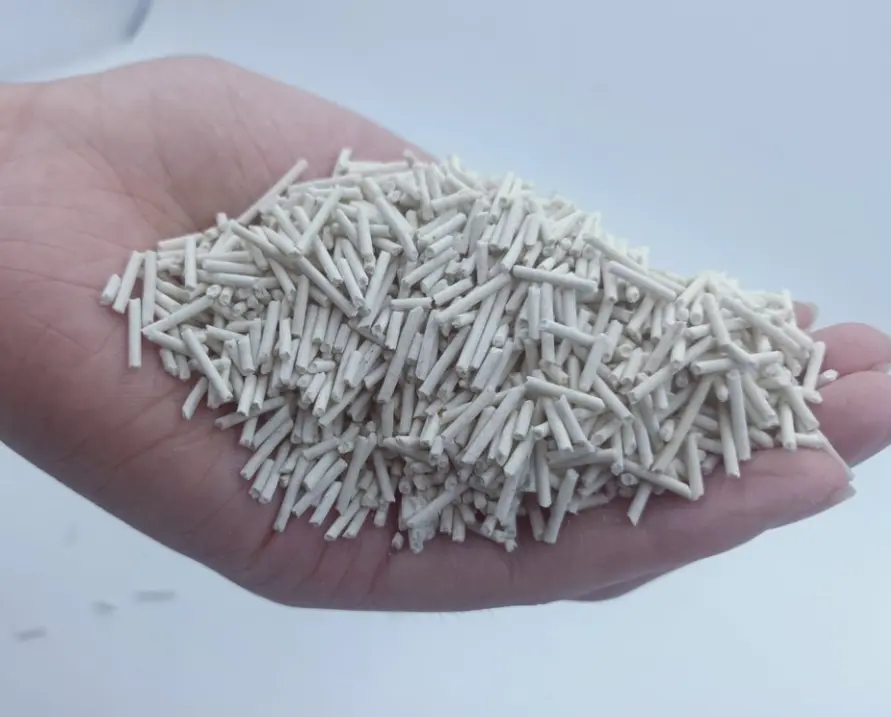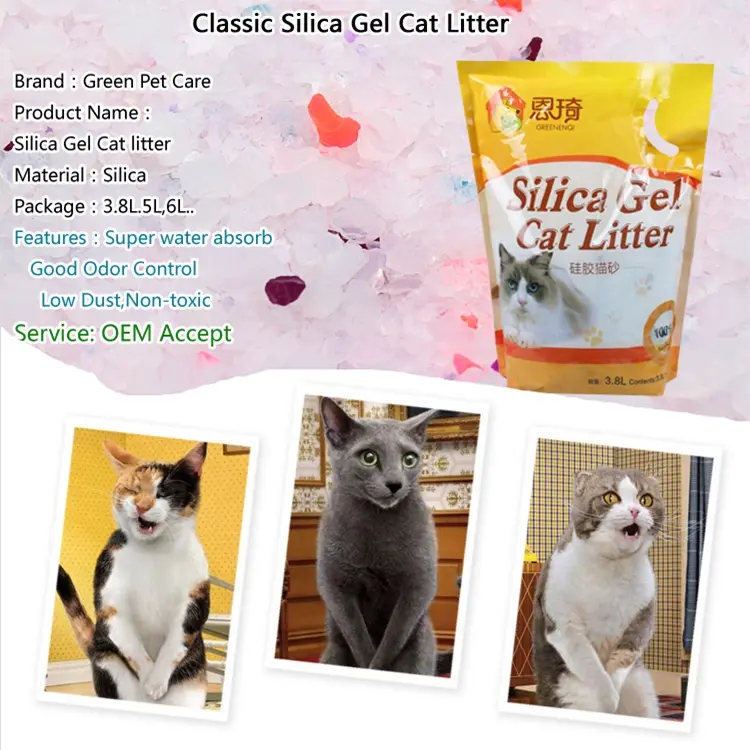
How to Clean Non Clumping Cat litter
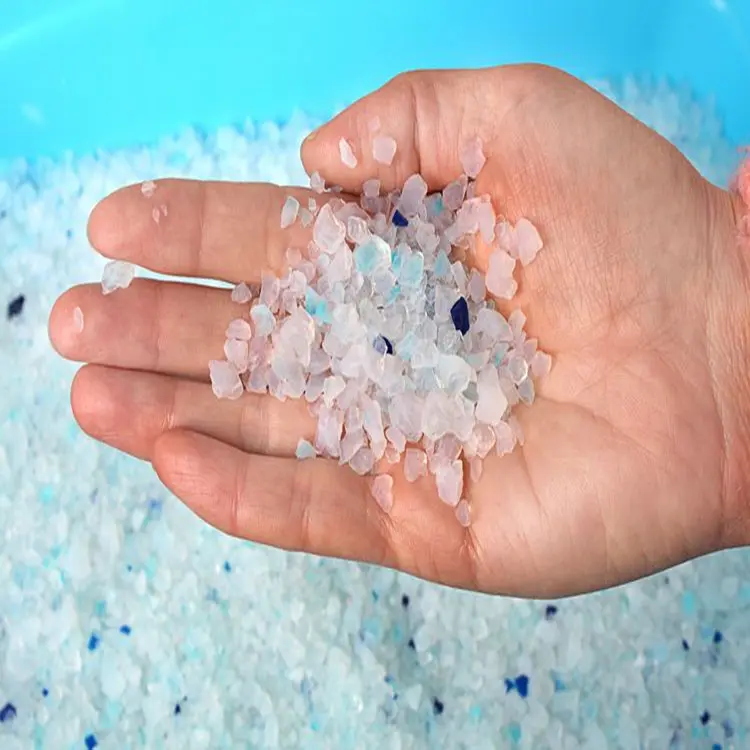
Cleaning non-clumping cat litter requires a slightly different approach compared to clumping litter, as you can't simply scoop out the clumps. Here's how to clean a litter box with non-clumping litter:
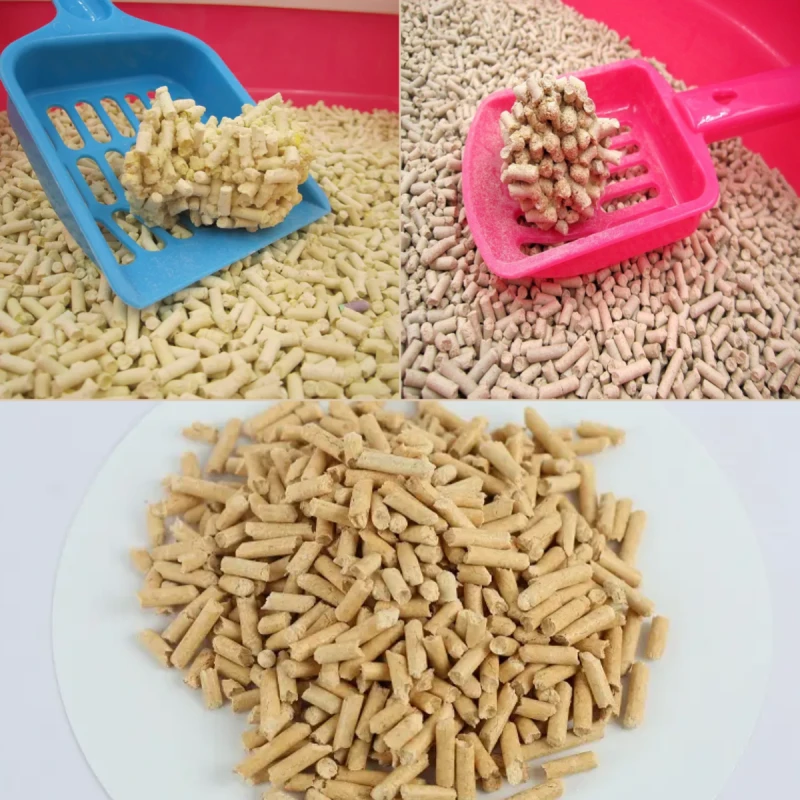
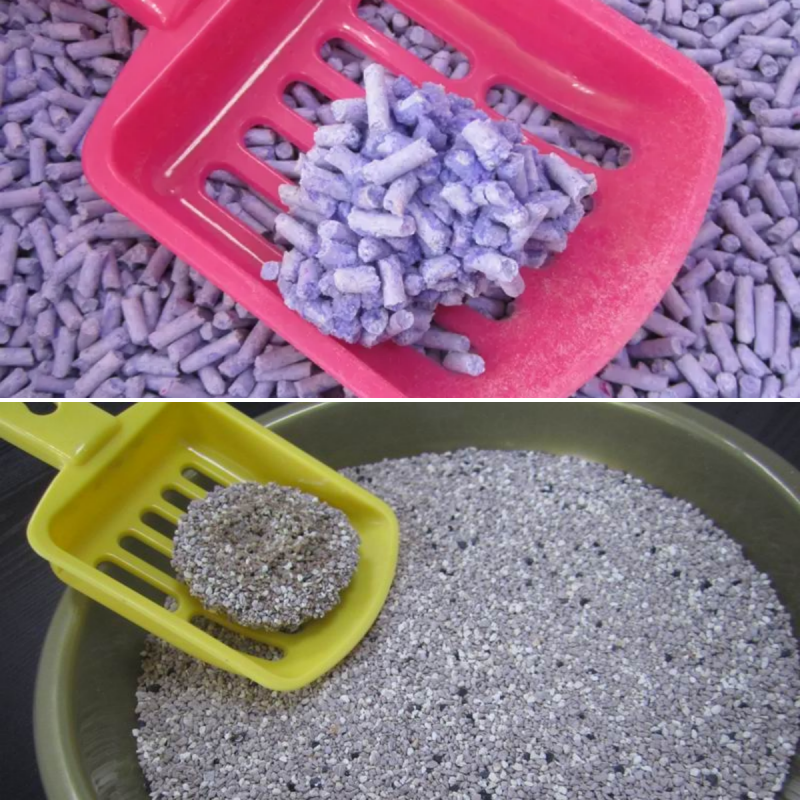
Daily Scooping: While non-clumping litter doesn't form tight clumps, it still absorbs urine and can become saturated over time. Scoop out solid waste and urine-soaked areas daily using a scoop designed for non-clumping litter. Dispose of the waste in a plastic bag lined with newspaper or in a designated waste bin.
Stirring or Shaking: To help distribute fresh litter and break up saturated areas, gently stir or shake the litter box daily. This helps expose any wet spots for easier removal during daily scooping.
Regular Replacement: Non-clumping litter needs to be completely replaced more frequently than clumping litter. The frequency depends on factors such as the number of cats using the litter box, the size of the litter box, and your cat's habits. Generally, you should replace all the litter and clean the litter box every one to two weeks.
Emptying and Cleaning: When it's time for a full litter change, empty the entire contents of the litter box into a garbage bag. Use a scoop or scraper to remove any stuck-on residue from the bottom and sides of the box. Wash the litter box with mild soap and warm water, then rinse thoroughly to remove any soap residue. Allow the litter box to dry completely before adding fresh litter.
Maintain Adequate Litter Depth: Keep the litter level in the box consistent with your cat's preferences. Most cats prefer a depth of around 2-3 inches of litter. Adding too much litter can make it less effective at absorbing moisture and odors.
Monitor for Odors: Since non-clumping litter doesn't encapsulate urine and feces in clumps, it's essential to monitor the litter box for odors. If you notice strong odors despite regular cleaning, it may be time for a more frequent litter change or switching to a different type of litter.
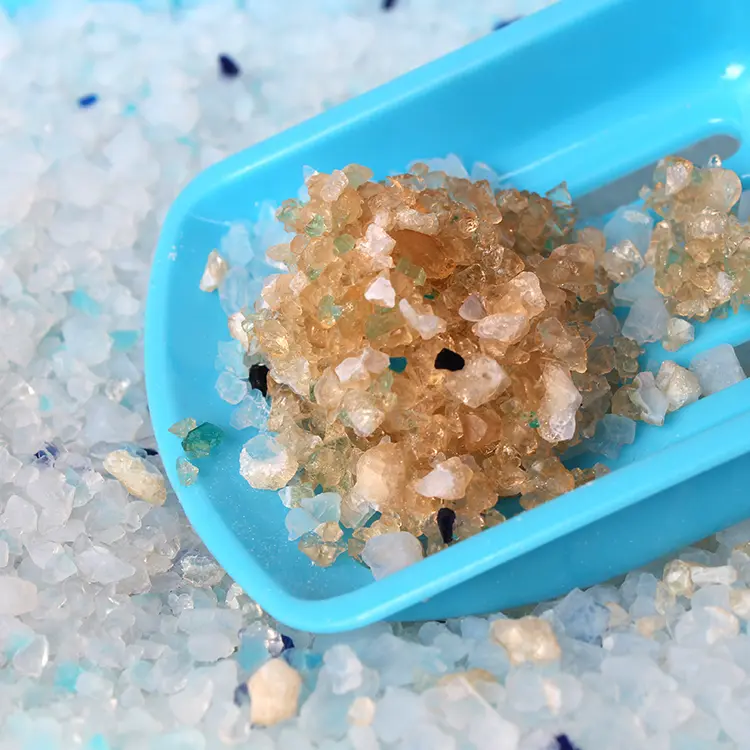
By following these steps, you can effectively maintain a clean litter box using non-clumping cat litter, providing your cat with a hygienic and comfortable toileting environment.