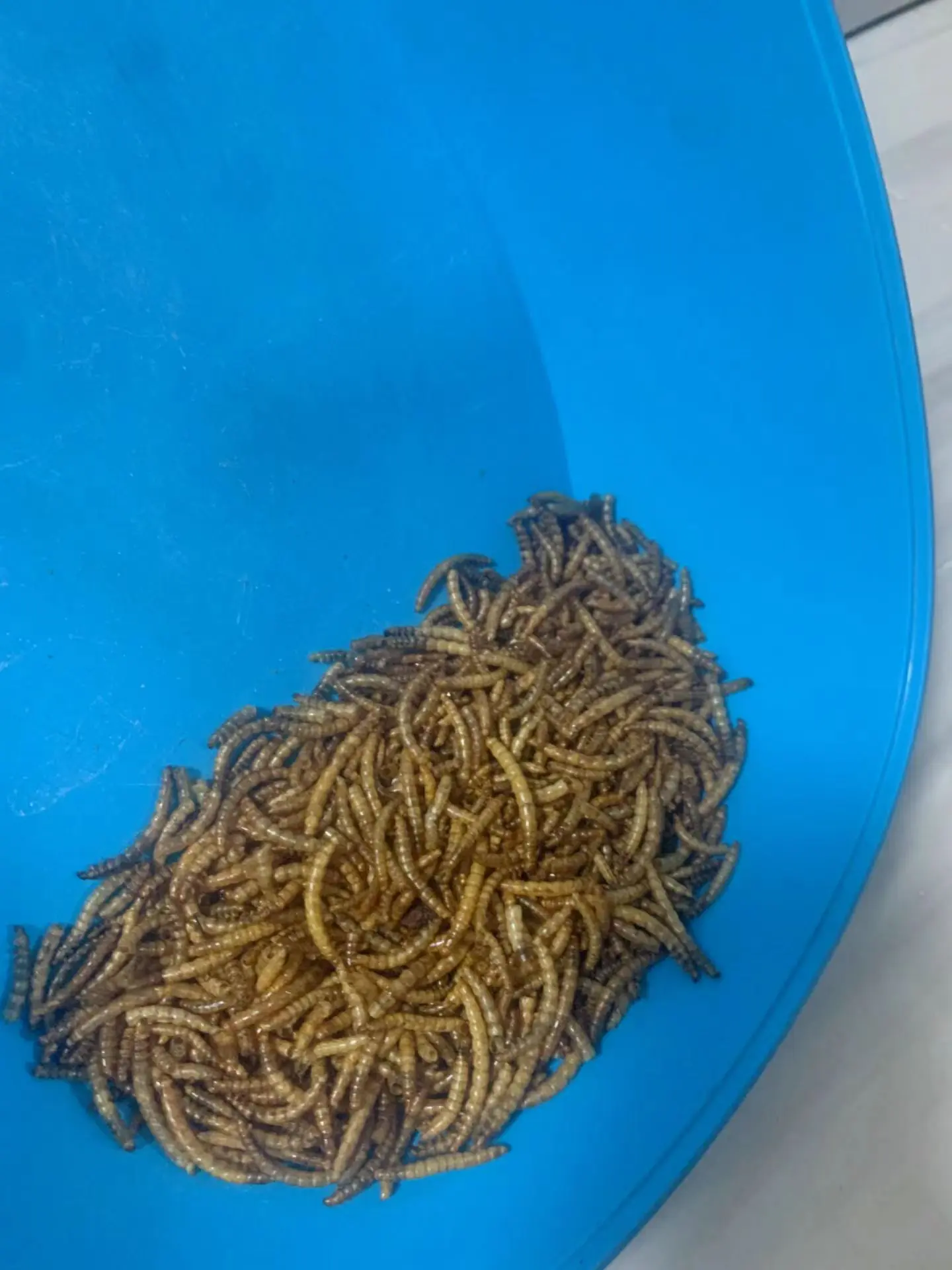

What Can Parakeets Eat Besides Bird Food? The Answer Involves Microwave-Dried Mealworms
Parakeets, also known as budgerigars or budgies, are popular pet birds due to their cheerful personalities and colorful plumage. While commercial bird food is a staple in their diet, it's always good to provide variety and natural treats to keep your parakeet healthy and happy. Microwave-dried mealworms are an excellent example of such a treat.
Why Microwave-Dried Mealworms?
Microwave-dried mealworms are a nutritious and convenient snack for parakeets. These worms are a great source of protein, essential fatty acids, and minerals, all vital for your bird's growth, development, and overall health. The microwave drying process helps preserve the nutrients while making the worms crunchy and easy to digest.
Nutritional Benefits
Protein: Mealworms are a high-protein food, essential for building and maintaining your parakeet's muscles, feathers, and other body tissues.
Fatty Acids: These worms contain healthy fats that your bird needs for energy production, absorption of vitamins, and maintaining skin and feather health.
Minerals: Mealworms are a good source of minerals like calcium and phosphorus, crucial for strong bones and teeth.
Serving Tips
Quantity: Feed microwave-dried mealworms in moderation, as part of a balanced diet. Too many treats can lead to weight gain or nutritional deficiencies.
Frequency: Offer mealworms as a treat once or twice a week.
Variety: Along with mealworms, you can also offer other dried insects like crickets or grasshoppers for variety.
Storage: Keep microwave-dried mealworms in a dry, airtight container to preserve freshness.
Other Foods for Parakeets
Besides microwave-dried mealworms, parakeets can enjoy a wide variety of other foods, including:
Fruits and Vegetables: Apples, carrots, sweet potatoes, spinach, and berries are great options. However, be sure to remove seeds, pits, and stems, as these can be harmful.
Seeds and Nuts: In moderation, seeds like sunflower seeds and nuts like almonds can be offered as treats. Avoid salted or processed varieties.
Egg Foods: Boiled eggs or egg-based commercial treats are good sources of protein and other nutrients.
Pellets: High-quality bird pellets provide a balanced diet and should be the foundation of your parakeet's diet.
Remember to offer a variety of foods to your parakeet to ensure they receive all the nutrients they need for a healthy and happy life.