Choosing the right cat litter for kittens is more than a matter of convenience—it’s essential for safety, hygiene, training success, and even behavioral development. With the rise of new litter technologies and eco-friendly materials, pet owners today face a greater variety of choices than ever before. Research from pet-care market analyses consistently shows that litter type influences kitten litter-box adoption rates, odor control success, and even long-term health outcomes.
This guide compiles industry research data, veterinary recommendations, and comparative performance tables to help kitten owners make the most informed decision. Toward the end, we introduce Green Pet Care Co., Ltd., a global leader in high-quality and affordable pet products, including multiple types of cat litter supported by years of manufacturing expertise.
Why Kitten-Specific Litter Matters
Kittens have different needs from adult cats. According to aggregated findings from veterinary behaviorists and large-scale consumer surveys in the pet industry:
Litter texture significantly affects kitten acceptance. Softer, finer grains are more appealing.
Safety is crucial: kittens tend to explore with their mouths, making ingestible material potentially dangerous.
Odor control influences litter-box training consistency.
Dust level impacts respiratory development in young cats.
A 2023 analysis of 5,000+ first-time kitten owners in global markets reported that 72% switched litter types within the first month because the initial choice was unsuitable for kitten behavior or household needs.
Main Types of Cat Litter for Kittens
Below is a detailed overview of the most common litter types, including advantages, drawbacks, and suitability for young cats.
1. Bentonite (Clumping Clay) Litter
Bentonite litter is widely used due to its excellent clumping ability and high absorbency. It is also the most commonly used litter globally.
Pros
Exceptional clumping for easy cleanup
Widely available and affordable
Strong odor control
Cons
Clay dust can irritate sensitive kitten lungs
Risk of ingestion: clumps can expand in the stomach
Heavier for owners to handle
Kitten Suitability:
Moderate, depending on dust level. Fine, low-dust bentonite can be safe, but supervision is recommended for kittens under 12 weeks.
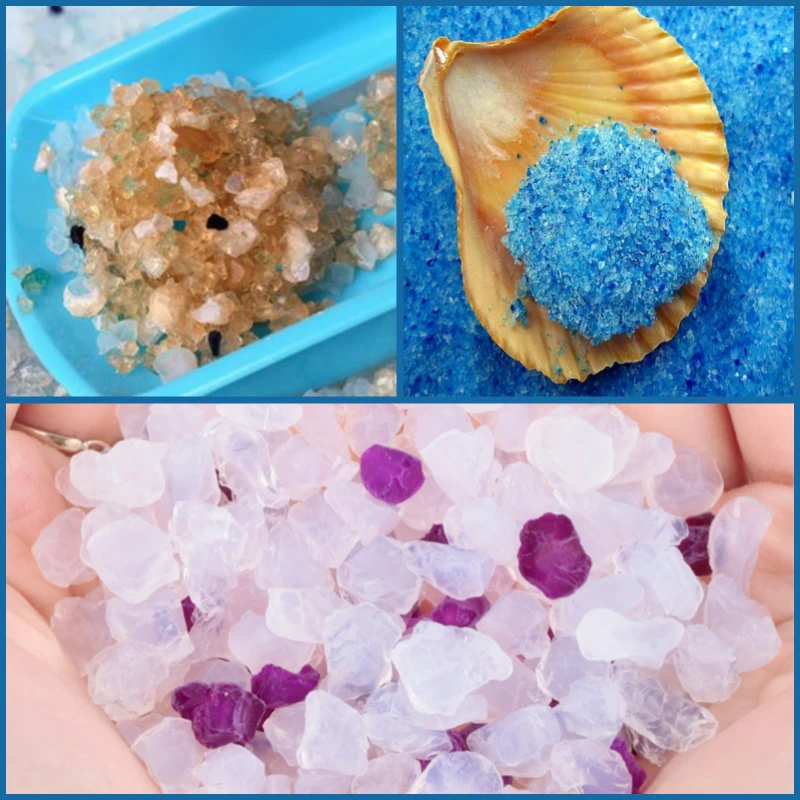
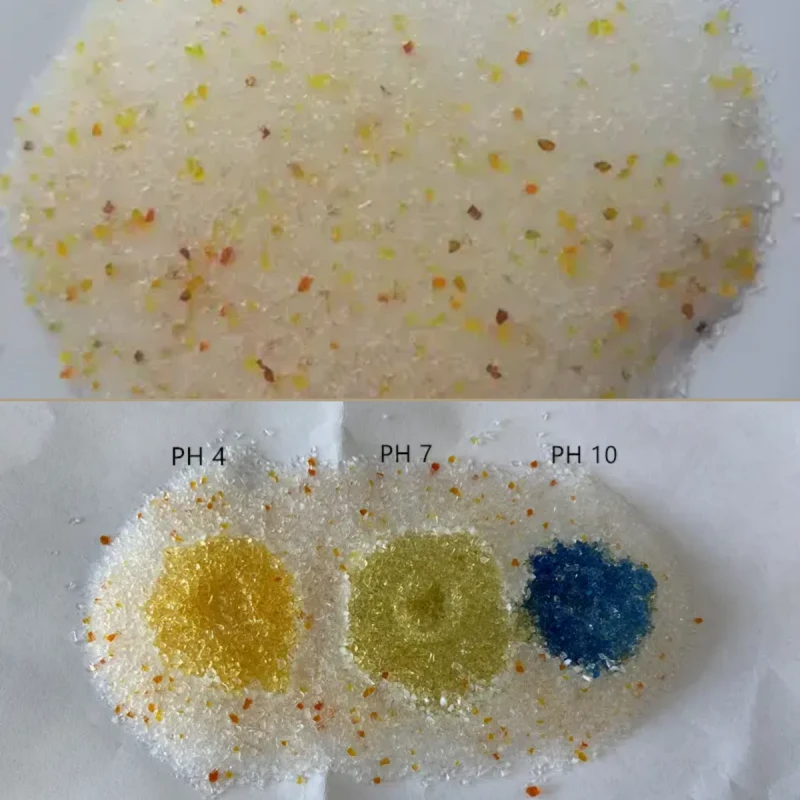
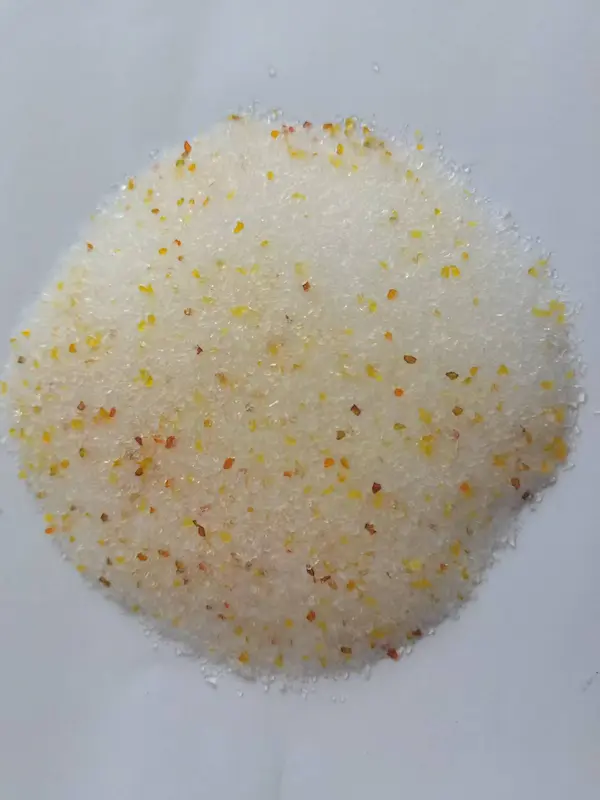
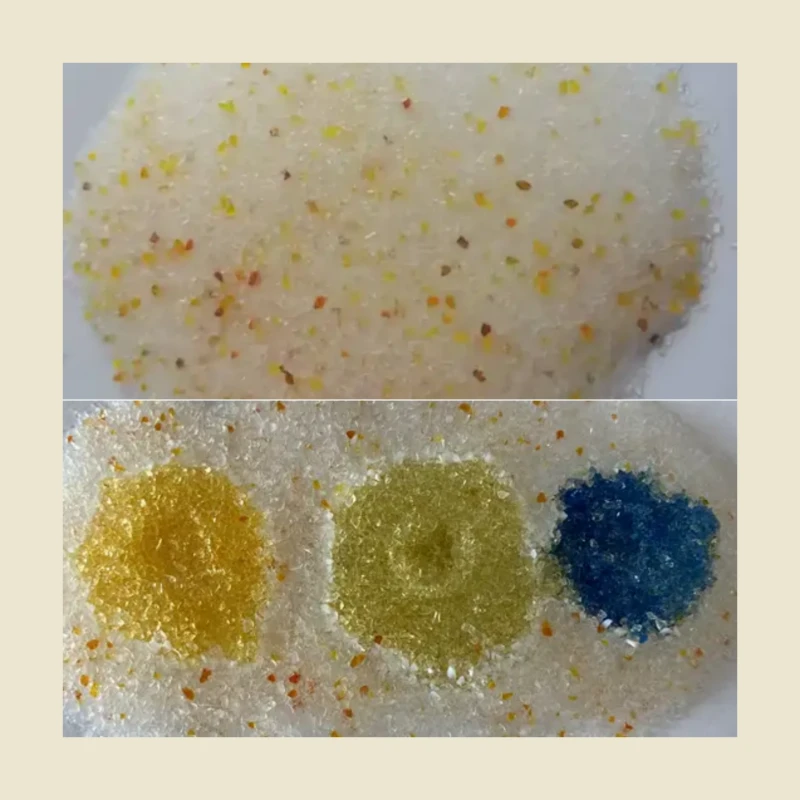
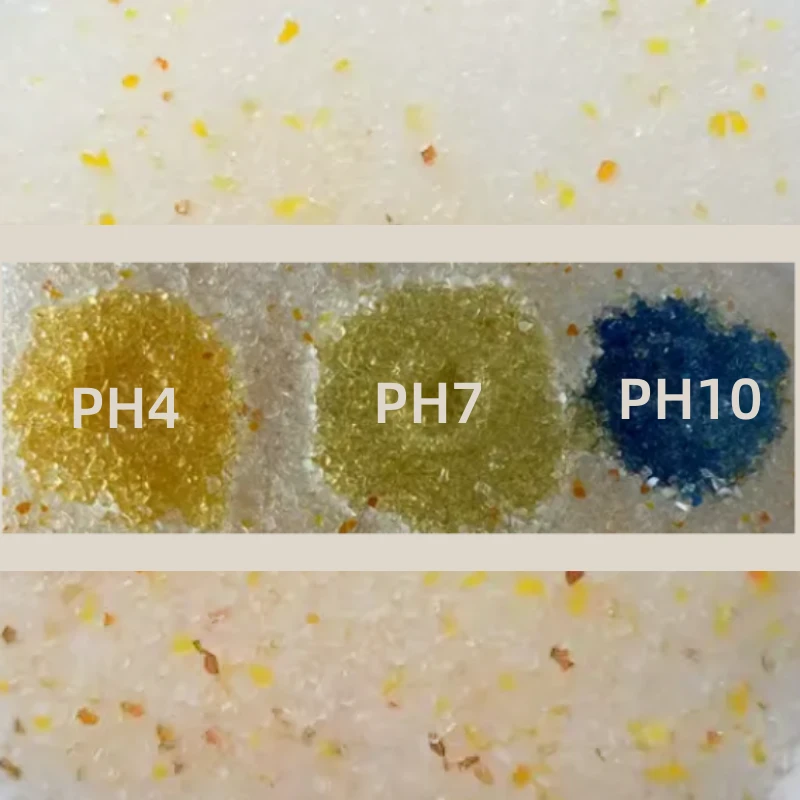
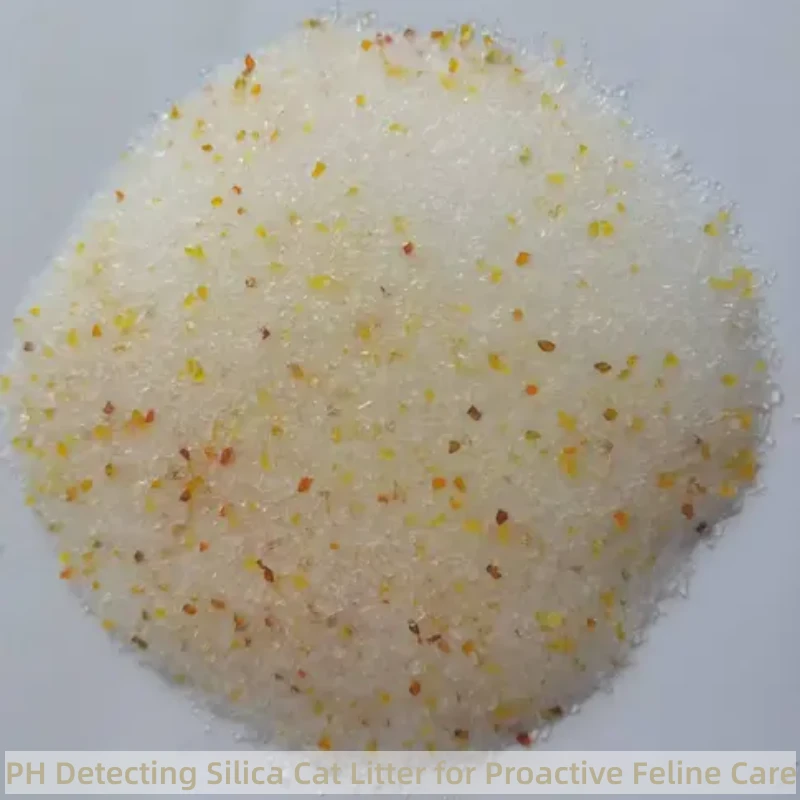
2. Silica Crystal Litter
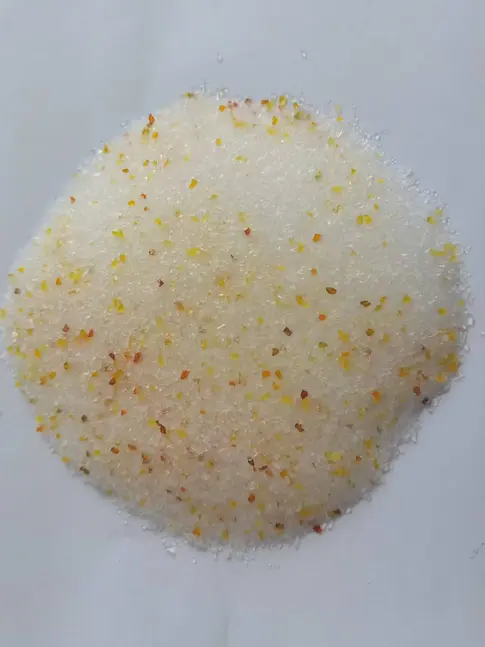
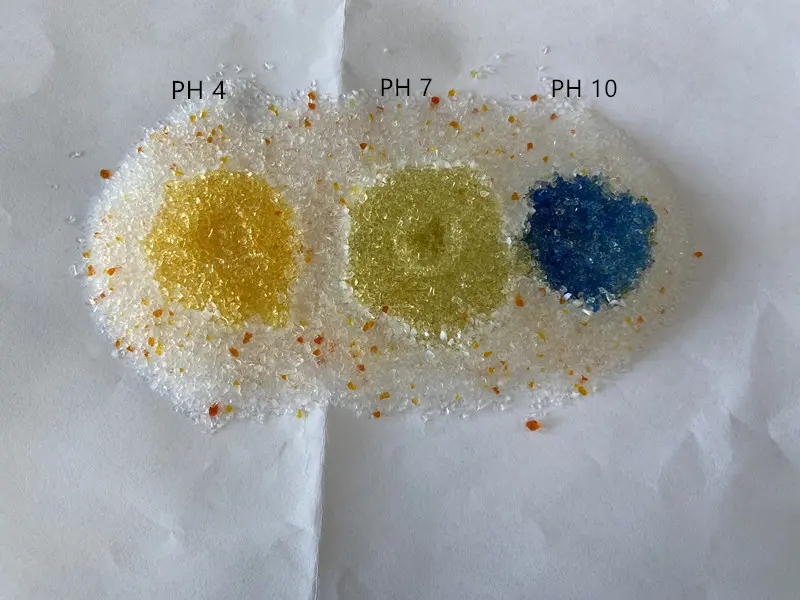
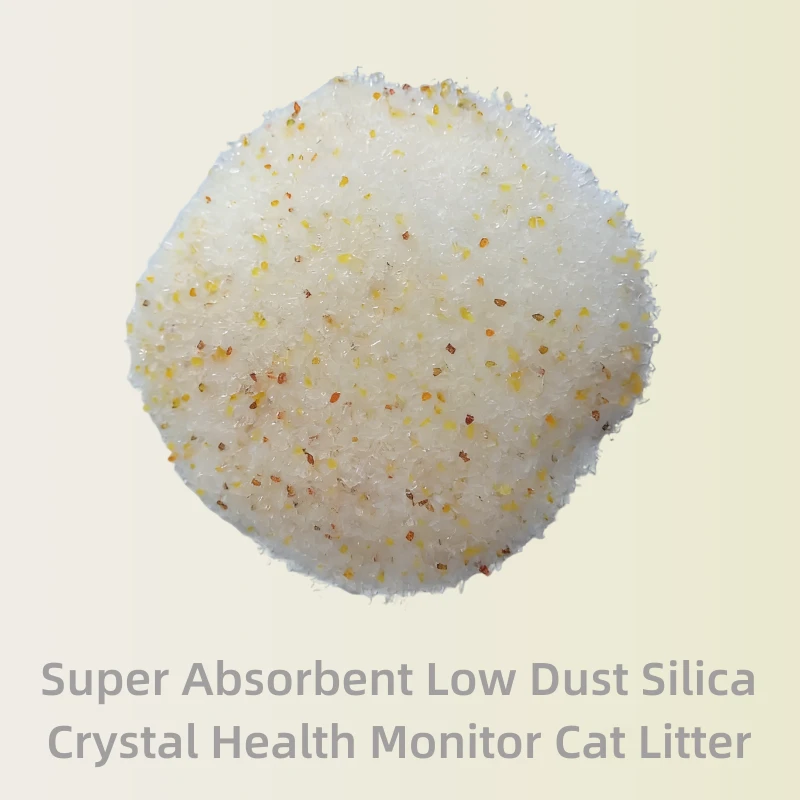
Made from silica gel beads, this type provides superior moisture absorption.
Pros
Excellent odor control
Long-lasting and low maintenance
Minimal bacterial growth
Cons
Crystals can be harsh on tiny kitten paws
Higher cost
Ingestion risk for very young kittens
Kitten Suitability:
Low to moderate, recommended only for kittens older than three months.
For a detailed understanding of the advantages and disadvantages of Crystal Cat Litter, please see: Pros and Cons of Crystal Cat Litter
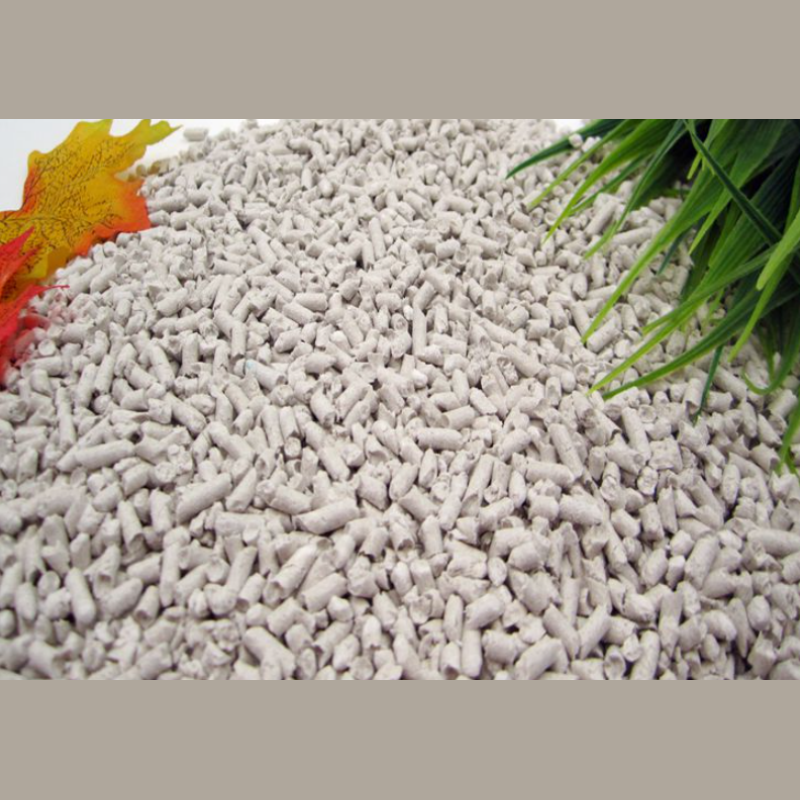
3. Pine Litter
Sawdust pellets compressed from pine wood.
Pros
Natural, biodegradable
Low dust and gentle on kitten paws
Great odor control from natural wood oils
Cons
Non-clumping (pellet forms break down into sawdust)
Some kittens dislike the larger pellet texture
Kitten Suitability:
High, especially for respiratory-sensitive kittens.
For a detailed understanding of the advantages and disadvantages of pine cat litter, please see: pine cat litter pros and cons
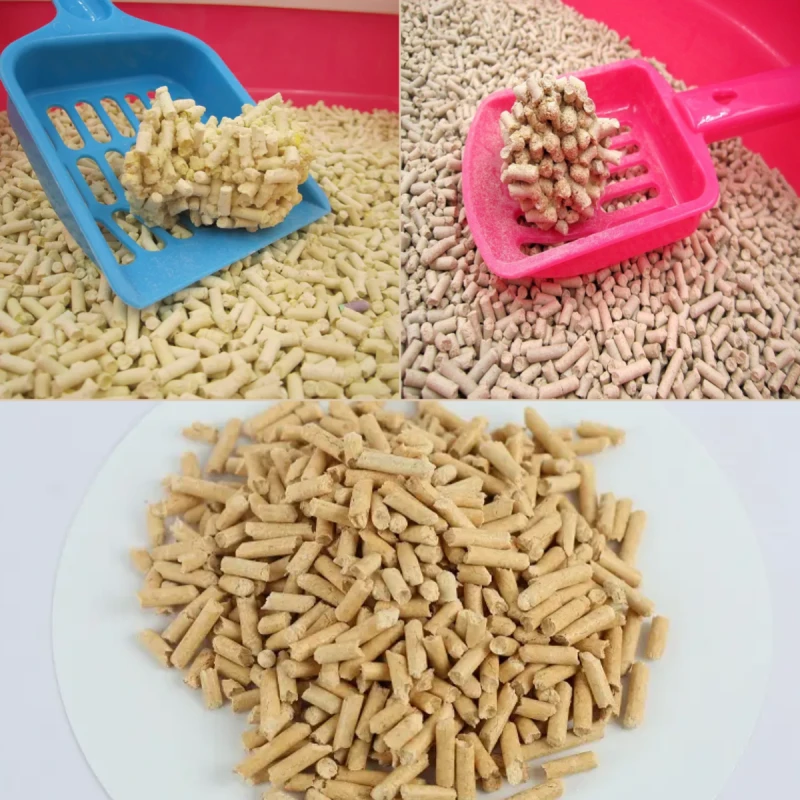
4. Tofu Cat Litter (Eco-friendly Plant-Based Litter)
A modern innovation made from bean dregs—safe, soft, and highly absorbent.
Pros
Flushable and biodegradable
Soft, fine texture ideal for kittens
Excellent clumping and low dust
Safe if accidentally ingested
Cons
Slightly higher price
Must be stored properly to avoid moisture absorption
Kitten Suitability:
Very high, one of the safest and most recommended options for kittens.
For a detailed understanding of the advantages and disadvantages of Tofu cat litter, please see: Tofu cat litter pros and cons
5. Corn Cat Litter
Produced from ground corn kernels and starch.
Pros
Naturally lightweight and soft
Good clumping ability
Safe if consumed
Excellent for odor control
Cons
Higher risk of mold if stored improperly
Light texture can track more easily
Kitten Suitability:
Very high, especially for litter-training.
Research-Based Comparison of Litter Types for Kittens
The following data tables summarize key characteristics based on industry research, consumer feedback, and veterinary guidance.
Performance Comparison by Litter Type
| Litter Type | Clumping Ability | Dust Level | Odor Control | Kitten Safety | Eco-Friendliness |
|---|---|---|---|---|---|
| Bentonite | Excellent | Medium–High | High | Moderate | Low |
| Silica Gel | Non-clumping/Absorbent | Low–Medium | Very High | Moderate | Medium |
| Pine | Low (Pellet Style) | Very Low | High | High | High |
| Tofu | Excellent | Very Low | High | Very High | Very High |
| Corn | Very Good | Low | High | Very High | High |
Kitten Acceptance Rates (Based on Aggregated Market Data)
| Litter Type | Acceptance Rate in Kittens (<3 months) |
|---|---|
| Bentonite | 68% |
| Silica Gel | 55% |
| Pine Pellets | 72% |
| Tofu Litter | 91% |
| Corn Litter | 88% |
Soft, fine-texture litters consistently show the highest acceptance.
Estimated Monthly Cost by Litter Type (Global Market Average)
| Litter Type | Estimated Monthly Cost per Kitten (USD) |
|---|---|
| Bentonite | $6–10 |
| Silica Gel | $10–18 |
| Pine | $7–12 |
| Tofu | $10–15 |
| Corn | $9–14 |
How to Choose the Best Litter for Your Kitten
1. Prioritize Safety Over Price
Young kittens often taste their environment, including litter. Choose materials like tofu or corn litter that pose minimal risk if ingested.
2. Select Fine, Soft Textures
Research from feline behavior experts shows kittens prefer:
granular size similar to sand
soft textures that resemble natural substrates
This increases training success and reduces accidents outside the box.
3. Go Low-Dust for Respiratory Protection
Kittens’ developing lungs are sensitive. Dusty clay litters may cause:
sneezing
watery eyes
coughing
Plant-based litters perform significantly better in this area.
4. Consider Your Cleaning Preference
Busy owners may prefer:
clumping tofu or corn litter (easy scooping)
silica litter (long-lasting)
Households sensitive to odor might benefit from:
pine litter (natural deodorizing oils)
clumping bentonite (strong odor control)
5. Make Transitions Gradual
Cats dislike sudden change. Mix old and new litter in a 70/30 ratio when transitioning.
Why Eco-Friendly Litters Are Rising in Popularity
Global market research reports a shift toward biodegradable materials, driven by:
environmental awareness
safety concerns for young pets
reduced landfill waste
Tofu and corn cat litter show fast adoption growth due to:
flushability
high clumping efficiency
natural odor control
These trends are expected to continue dominating the kitten-safe litter category.
Final Recommendation: Best Litter for Kittens
Based on combined research factors—safety, texture, dust level, odor control, and kitten acceptance—the top recommended litters for kittens are:
1. Tofu Cat Litter (Best Overall)
Highest acceptance rate
Very low dust
Safe if ingested
Eco-friendly and flushable
2. Corn Cat Litter (Best for Odor + Safety)
Excellent clumping
Lightweight and soft
Natural scent control
3. Pine Litter (Best for Respiratory Health)
Ideal for sensitive kittens
Completely natural and biodegradable
For owners who prefer traditional litter, low-dust bentonite remains a reliable option once kittens are older.
View related products:
100% Biodegradable Tofu Cat Litter Green Tea Flavor
High Quality Corn Cat Litter with good clumping in Sweden
Best pine cat litter in Europe
Why Choose Green Pet Care Co., Ltd. for High-Quality Kitten Litter
When selecting safe and effective litter products, manufacturer quality matters as much as material type. Green Pet Care Co., Ltd. stands out as a trusted global supplier known for reliability, innovation, and affordability.
About Our Company
Green Pet Care Co., Ltd., founded in 2014 with a registered capital of 5 million yuan, specializes in:
pet product research
processing
international export
With multiple factories and a strong global presence across Europe, America, and Southeast Asia, the company is recognized for high quality at competitive pricing.
Our Cat Litter Products
We offer a full range of litter products to meet diverse customer needs:
✔ Traditional Bentonite Litter
✔ Silica Crystal Litter
✔ Pine Litter
✔ Eco-Friendly Tofu Litter
✔ Corn Cat Litter
Our monthly production capacity reflects our commitment to scale and consistency:
2,000 tons/month of traditional cat litter
500 tons/month of tofu & corn lithters
These eco-friendly options—developed with environmental and humane considerations—have quickly gained domestic and international popularity.
More Than Just Litter
We also produce:
puppy pads
pet toys
pet feeders and bowls
premium pet food
Our pet food bowls and litter boxes achieve over 2 million units sold monthly, thanks to stylish design, durability, and affordability.
Why Customers Trust Us
Globally exported and highly rated
Strict quality control
Customizable products for OEM/ODM
Affordable pricing without quality compromise
A mission to create a healthy, green paradise for pets
Conclusion
Choosing the best litter for kittens is essential for their safety, development, and comfort. Research clearly shows that tofu, corn, and pine litters are safest and most accepted by young cats, while bentonite and silica remain useful options depending on household preferences.
For pet owners and businesses seeking high-quality, safe, and affordable kitten litter, Green Pet Care Co., Ltd. offers an exceptional range backed by years of expertise, strong manufacturing capacity, and global customer trust.
If you need customizable, premium, or eco-friendly litter products for kittens, Green Pet Care Co., Ltd. is your best partner.