Introduction
As global pet ownership continues to rise, the environmental impact of everyday pet products has come under increasing scrutiny. Cat litter, a seemingly small household item, represents a significant and often overlooked contributor to waste streams worldwide. Among the many types available, silica cat litter—also known as crystal cat litter—has gained popularity for its superior odor control, high absorbency, and long service life. However, a growing number of environmentally conscious consumers are asking an important question: Is silica cat litter bad for the environment?
This article provides a comprehensive, research-based analysis of silica cat litter’s environmental footprint. We examine its raw material sourcing, manufacturing process, usage phase, disposal impact, and health considerations, supported by comparative data tables. We also compare silica litter with alternative options such as bentonite, pine, tofu, and corn cat litter. Finally, we conclude with sustainable recommendations and introduce Green Pet Care Co., Ltd. as a trusted supplier offering both traditional and eco-friendly cat litter solutions.
What Is Silica Cat Litter?
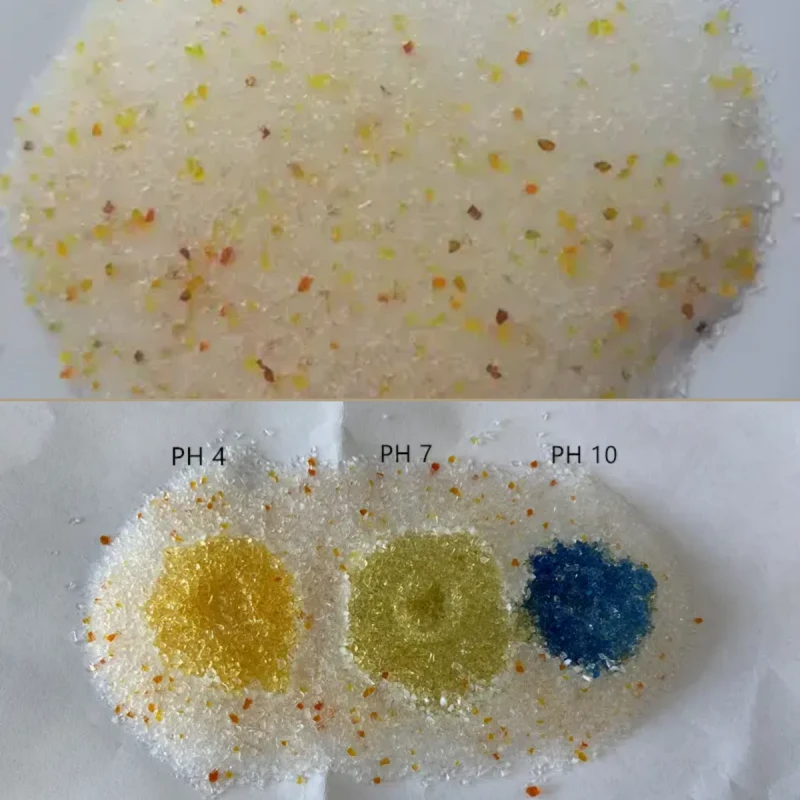
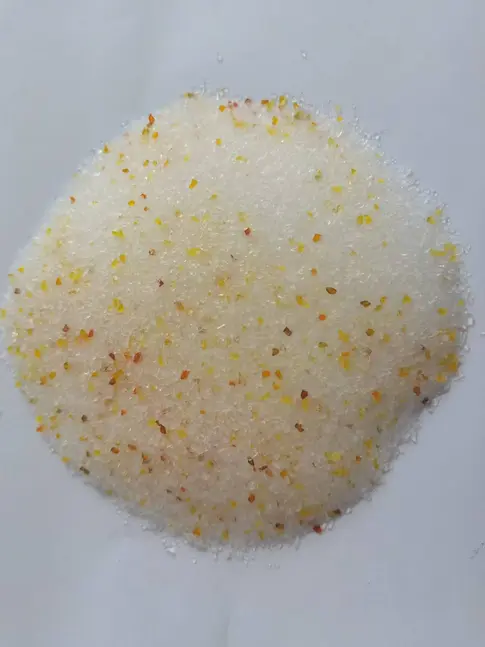
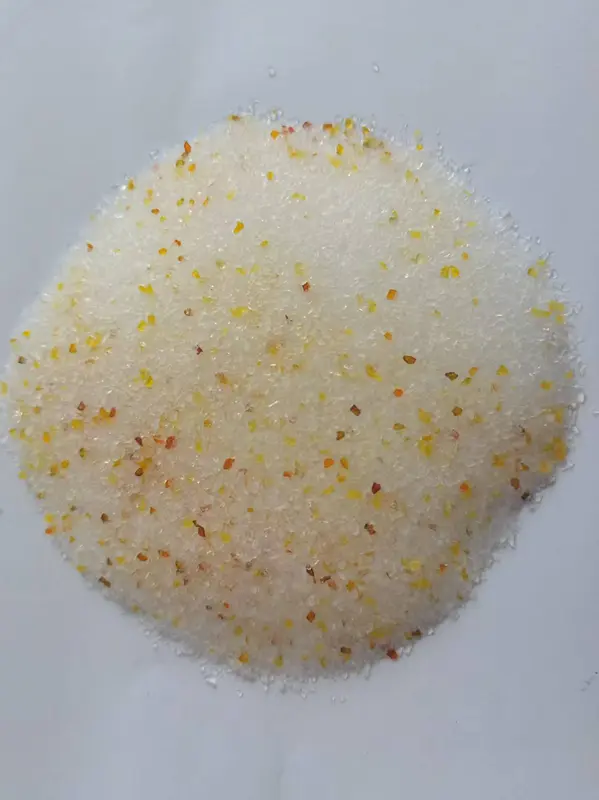
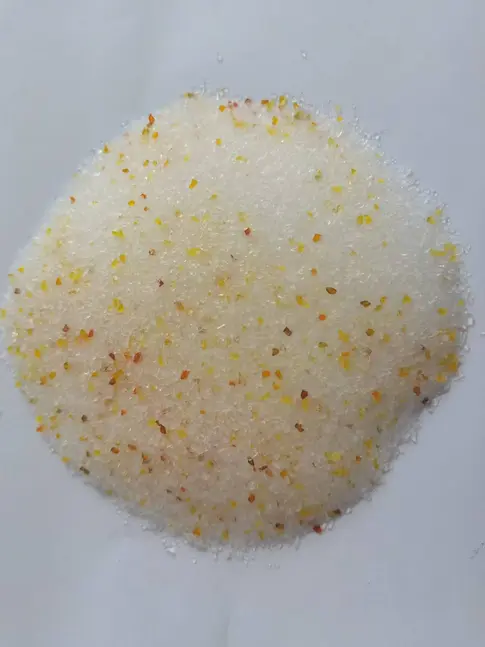
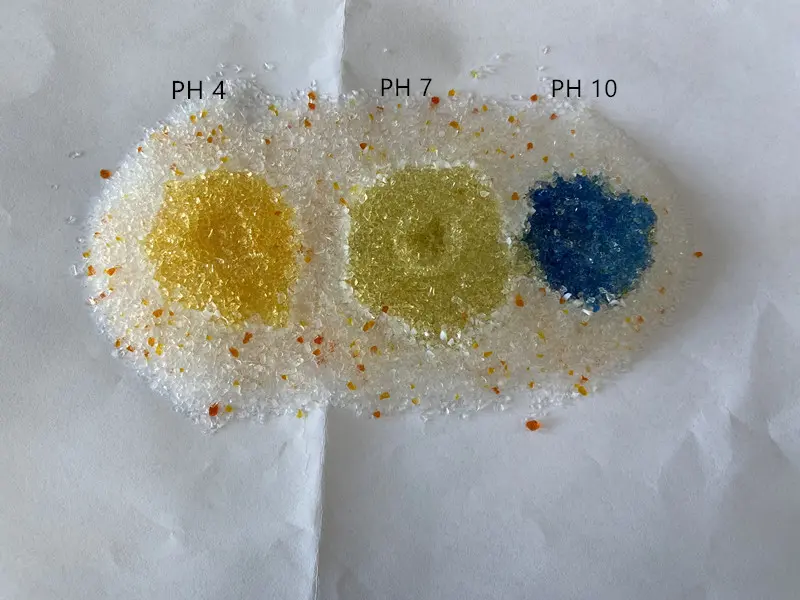
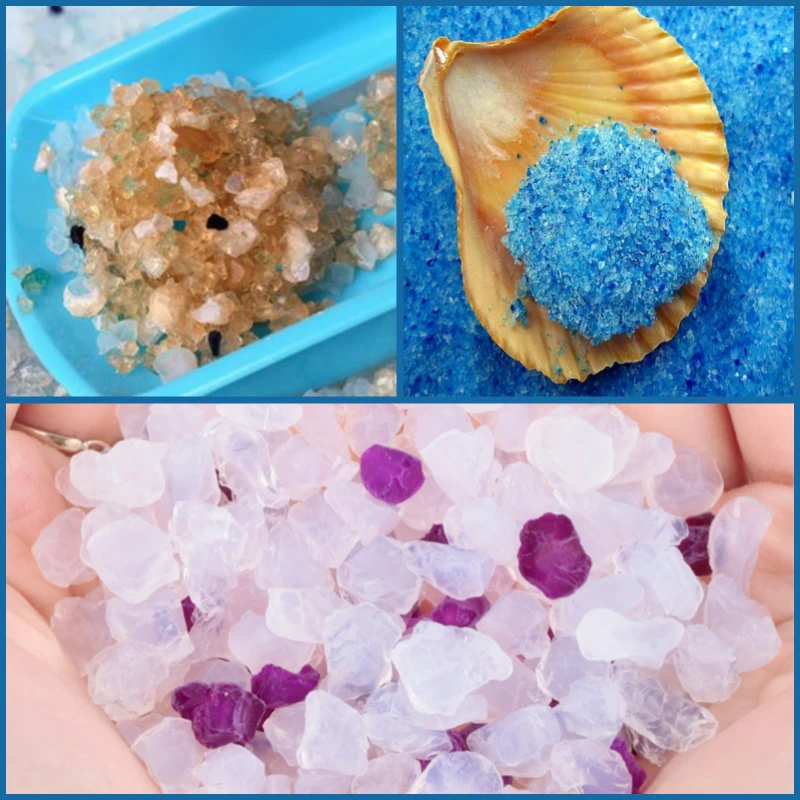
Silica cat litter is primarily made from silicon dioxide (SiO₂), commonly derived from quartz sand. Through a high-temperature process, the silica is transformed into porous, bead-like crystals capable of absorbing large quantities of moisture and trapping odor-causing compounds.
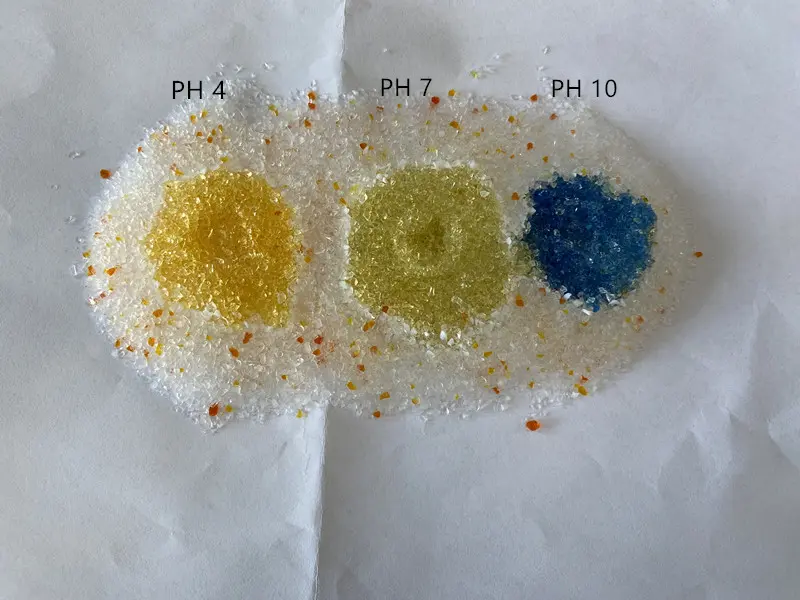
View related products: Clumping Silica Gel Cat litter 50% Blue Color Best Odor Control
Key Characteristics of Silica Cat Litter
Absorbs up to 40% of its weight in moisture
Non-clumping but highly desiccating
Long-lasting (often 20–30 days per cat)
Lightweight and low-dust (in premium grades)
These properties make silica litter attractive to consumers seeking convenience. However, environmental performance depends on far more than user experience.
Environmental Impact Assessment of Silica Cat Litter
To determine whether silica cat litter is environmentally harmful, it is essential to evaluate its full life cycle, from raw material extraction to end-of-life disposal.
1. Raw Material Extraction
Silica litter originates from mined quartz sand, a non-renewable resource. Large-scale sand mining can result in:
Habitat destruction
Soil erosion
Dust pollution
High energy use for excavation and transport
Raw Material Sustainability Comparison
| Cat Litter Type | Primary Raw Material | Renewable? | Ecological Risk |
|---|---|---|---|
| Silica | Quartz sand | No | Medium–High |
| Bentonite | Clay minerals | No | High |
| Pine | Wood byproducts | Yes | Low |
| Tofu | Soybean residue | Yes | Low |
| Corn | Corn fiber | Yes | Low |
From a resource perspective, silica ranks lower than plant-based alternatives.
2. Manufacturing Energy Consumption
Producing silica gel requires high-temperature drying and activation, often exceeding 800–1,000°C. This process is energy-intensive and typically reliant on fossil fuels.
Estimated Manufacturing Energy Demand
| Litter Type | Relative Energy Use | Carbon Footprint |
|---|---|---|
| Silica | High | High |
| Bentonite | Medium–High | Medium–High |
| Pine | Low | Low |
| Tofu | Low–Medium | Low |
| Corn | Low–Medium | Low |
Silica cat litter’s carbon emissions during production are significantly higher than those of biodegradable litters made from agricultural byproducts.
3. Usage Phase: Efficiency vs. Environment
One advantage of silica cat litter is its long lifespan, which can reduce packaging waste and transportation emissions per use cycle.
Usage Efficiency Comparison (Per Cat, Per Month)
| Litter Type | Avg. Quantity Used | Replacement Frequency |
|---|---|---|
| Silica | 3–4 kg | Every 20–30 days |
| Bentonite | 6–8 kg | Weekly |
| Pine | 5–6 kg | Weekly |
| Tofu | 4–5 kg | 7–10 days |
| Corn | 4–5 kg | 7–10 days |
While silica requires less frequent replacement, this benefit does not fully offset its end-of-life challenges.
4. Disposal and Degradability
Perhaps the most critical environmental drawback of silica cat litter lies in disposal.
Silica is non-biodegradable
Cannot be composted
Generally not flushable
Persists in landfills indefinitely
Disposal Impact Comparison
| Litter Type | Biodegradable | Compostable | Flushable | Landfill Persistence |
|---|---|---|---|---|
| Silica | No | No | No | Very Long |
| Bentonite | No | No | No | Very Long |
| Pine | Yes | Yes | Limited | Short |
| Tofu | Yes | Yes | Yes* | Short |
| Corn | Yes | Yes | Limited | Short |
*Flushability depends on local plumbing regulations.
From a waste management perspective, silica litter performs poorly compared to plant-based alternatives.
Read the following article to learn more about the differences between different cat litters:
Silica Gel Cat Litter VS Tofu Cat Litter
Tofu cat litter VS Bentonite cat litter
Health and Environmental Safety Concerns
Although modern silica cat litter is generally considered safe, concerns remain regarding:
Respirable silica dust (especially in low-quality products)
Potential irritation to cats with respiratory sensitivity
Long-term occupational exposure risks during mining and processing
Environmentally, fine silica particles do not break down and may contribute to micro-particulate pollution over time.
Is Silica Cat Litter Bad for the Environment? A Balanced Conclusion
Silica cat litter is not the most environmentally friendly option, particularly when evaluated across its entire life cycle. Its key environmental disadvantages include:
Non-renewable raw materials
High energy consumption during production
Non-biodegradable waste
However, it does offer limited environmental benefits in terms of usage efficiency and reduced consumption frequency. For consumers prioritizing convenience over sustainability, silica remains a functional choice—but it is not aligned with long-term green living goals.
Sustainable Alternatives: The Rise of Plant-Based Cat Litter
Driven by environmental awareness and regulatory trends, biodegradable cat litters have experienced rapid market growth.
Advantages of Tofu and Corn Cat Litter
Made from renewable agricultural byproducts
Biodegradable and compostable
Lower carbon footprint
Safe for pets and households
Compatible with modern waste management systems
These advantages make plant-based litters the preferred choice for eco-conscious consumers and retailers.
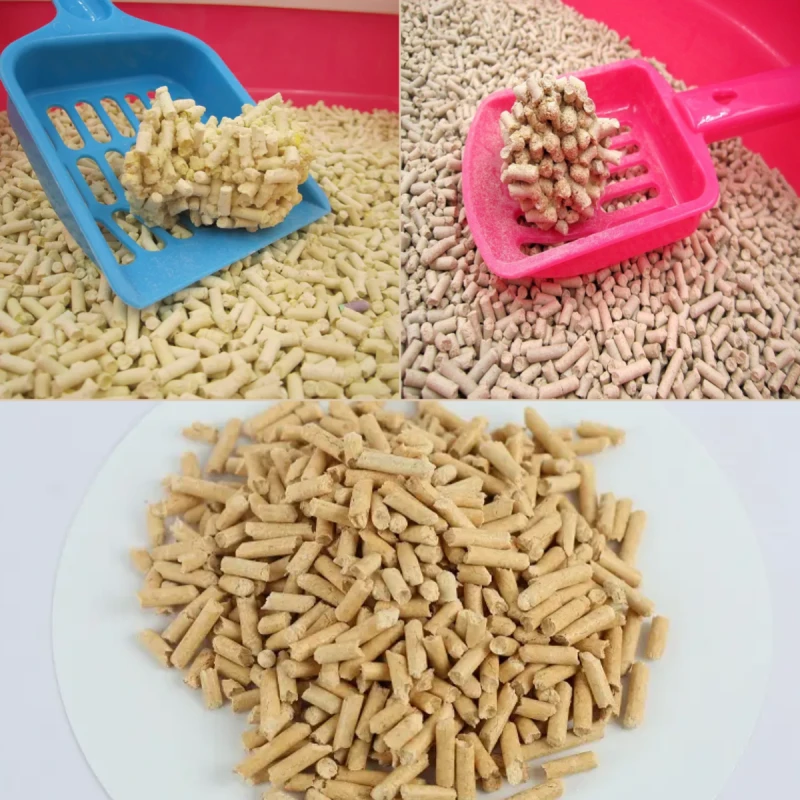
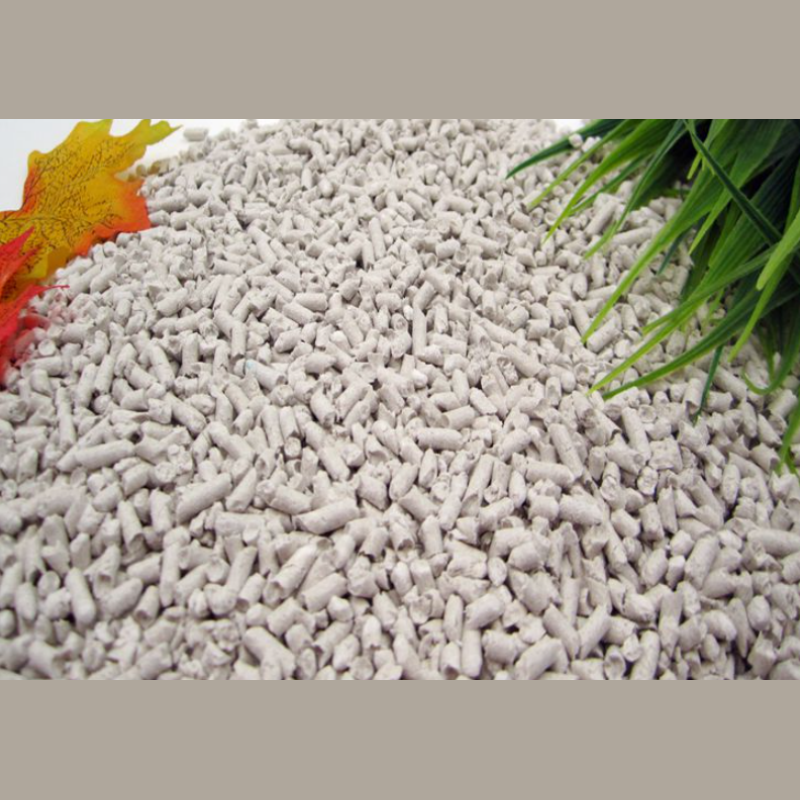
View related products: Natural Tofu Cat Litter Toilet Friendly
Why Choose Green Pet Care Co., Ltd.
As sustainability becomes a defining factor in the global pet industry, choosing the right manufacturing partner is critical. Green Pet Care Co., Ltd. stands out as a reliable, experienced, and environmentally responsible supplier.
Company Strengths
Established in 2014 with registered capital of 5 million yuan
Multiple factories with stable production capacity
Monthly cat litter sales exceeding 2,000 tons
Specialized eco-friendly lines: Tofu cat litter and corn cat litter, with monthly sales of 500 tons
Product range includes bentonite, silica, pine, tofu, and corn cat litter
Exports to Europe, North America, and Southeast Asia
Competitive pricing with strict quality control
In addition to cat litter, Green Pet Care Co., Ltd. supplies pet pads, toys, feeders, food bowls, and pet toilets, with monthly sales reaching 2 million units. Our products are widely praised for stylish design, safety, and affordability.
Our Environmental Commitment
Development of biodegradable, humane, and low-impact products
Responsible sourcing of raw materials
Continuous improvement in green manufacturing practices
Our mission is simple: let pets eat with confidence, use products safely, and enjoy a healthy green paradise.
Final Recommendation
If you are evaluating whether silica cat litter is bad for the environment, the data clearly shows that while it performs well in convenience, it falls short in sustainability. For brands, distributors, and consumers seeking long-term environmental responsibility, plant-based alternatives such as tofu and corn cat litter are the future.
By partnering with Green Pet Care Co., Ltd., you gain access to a full spectrum of cat litter solutions—from traditional silica to advanced eco-friendly products—backed by years of export experience, proven market acceptance, and a strong commitment to green innovation.
Choosing the right cat litter is not just a purchasing decision—it is a statement about the kind of world we want to create for our pets and future generations. If you need to purchase cat litter, please feel free to contact us.