Introduction
Cats are famously skilled at hiding illness. In the wild, showing weakness can be dangerous, and that instinct remains deeply ingrained in domestic cats today. As a result, many feline health problems—such as urinary tract infections, kidney disease, diabetes, or digestive disorders—are often detected late, when symptoms become severe and veterinary costs rise sharply.
In recent years, health-monitoring cat litter has emerged as an innovative solution that transforms a cat’s daily bathroom routine into a powerful, non-invasive health screening tool. By analyzing urine and feces for changes in color, chemical composition, and frequency, this type of cat litter helps pet owners identify potential health risks earlier than ever before.
This article explores how health-monitoring cat litter works, the underlying technologies, scientific data supporting its effectiveness, market trends, and why experienced manufacturers like Green Pet Care Co., Ltd. are well positioned to support this fast-growing segment of the pet care industry.
What Is Health-Monitoring Cat Litter?
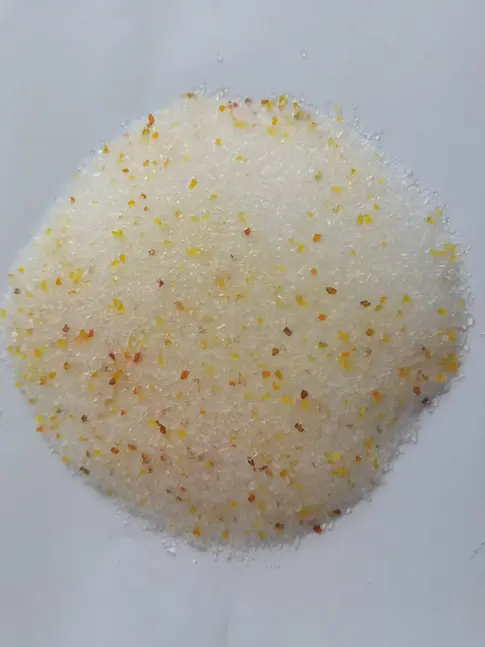
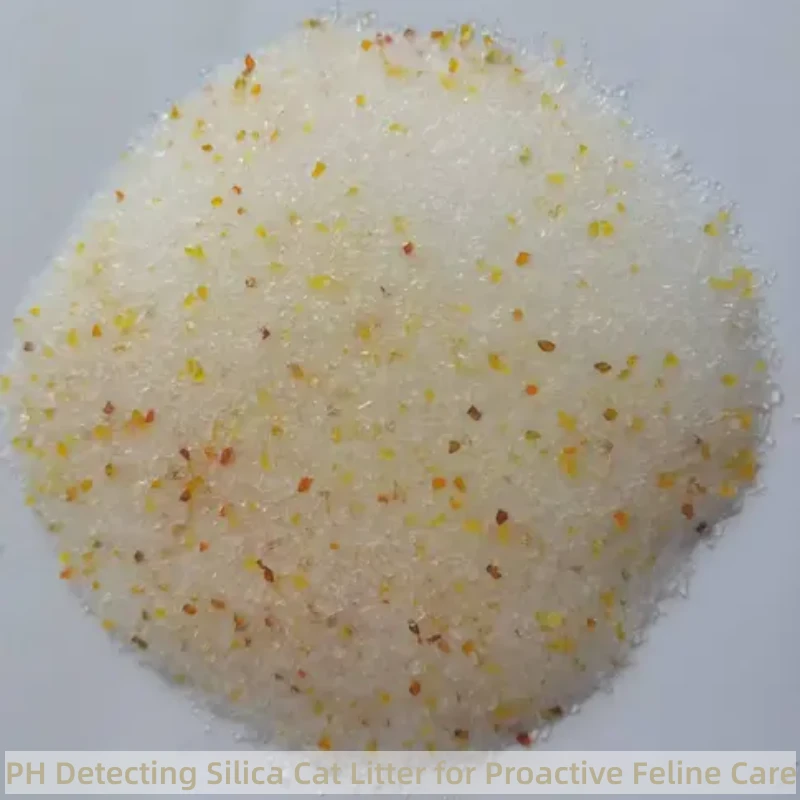
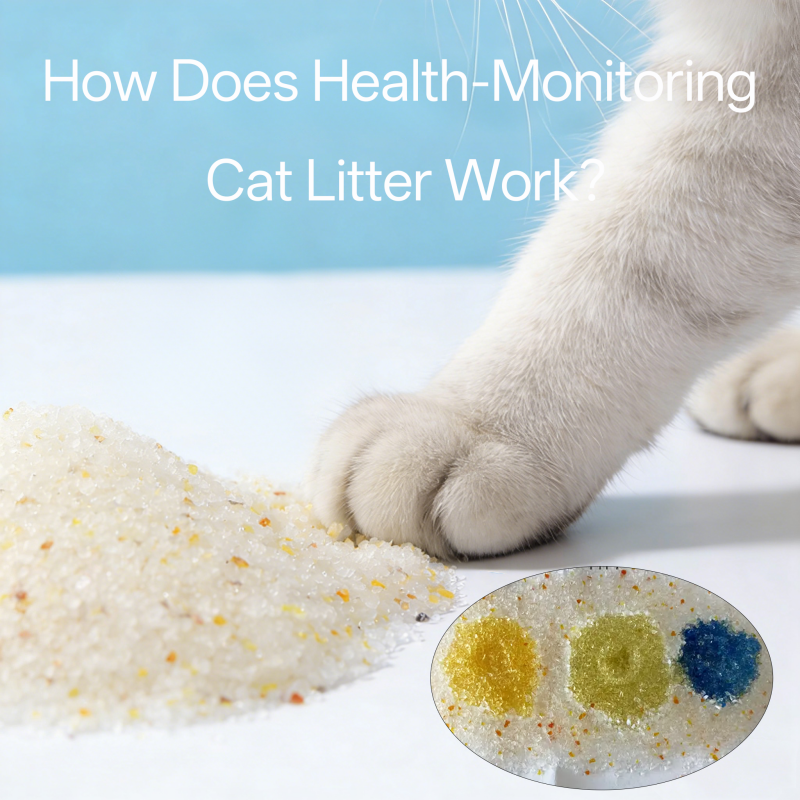
Health-monitoring cat litter is a specially engineered litter designed to detect physiological changes in a cat’s urine or stool. Unlike traditional cat litter, which only absorbs waste and controls odor, health-monitoring litter integrates reactive materials, sensors, or color-changing compounds that provide visible or digital feedback about a cat’s health status.
Depending on the product type, results may be displayed as:
Color changes visible to the naked eye
Pattern changes in clumps
Data transmitted to a mobile application
Alerts generated through AI-powered litter boxes
The core advantage lies in its passive monitoring—cats behave naturally, while owners gain valuable health insights without stress or invasive procedures.
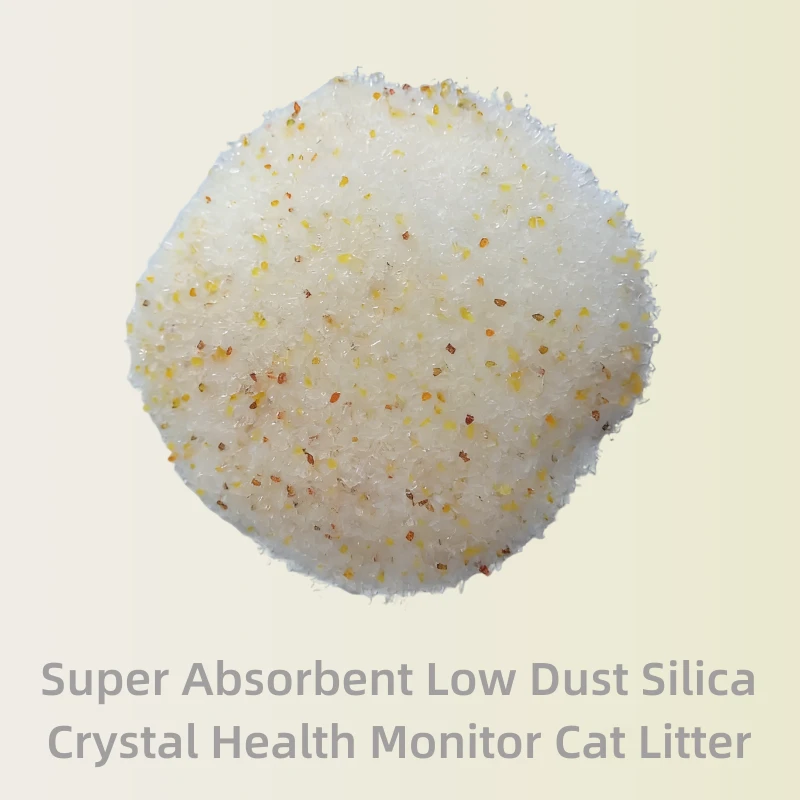
Learn about related products: Super Absorbent Low Dust Silica Crystal Health Monitor Cat Litter Hot Sale in America 2026
What Problem Does Health-Monitoring Cat Litter Solve for Pet Owners?
For many cat owners, the biggest challenge in feline healthcare is not treatment—it is uncertainty. Cats instinctively hide pain and discomfort, and visible symptoms often appear only when a condition has already progressed.
Health-monitoring cat litter directly addresses this problem by turning an everyday routine into a silent daily health check. Instead of relying on guesswork, owners receive objective signals from urine and stool changes that may indicate early-stage health issues.
From a user perspective, the value lies in three key areas:
Early awareness without needing medical expertise
Reduced anxiety about missing important warning signs
Greater confidence when deciding whether a veterinary visit is necessary
Rather than replacing veterinarians, health-monitoring cat litter helps owners know when to act—often days or even months earlier than traditional observation alone.
Is Health-Monitoring Cat Litter Safe for Cats?
Safety is one of the most common concerns among pet owners considering health-monitoring cat litter. From a cat’s point of view, the litter should feel, smell, and function exactly like conventional litter.
Well-designed health-monitoring cat litter meets these expectations by following strict safety principles:
Non-toxic indicators that react only upon contact with urine
No added fragrances that could irritate sensitive noses
Stable textures that do not discourage normal litter box behavior
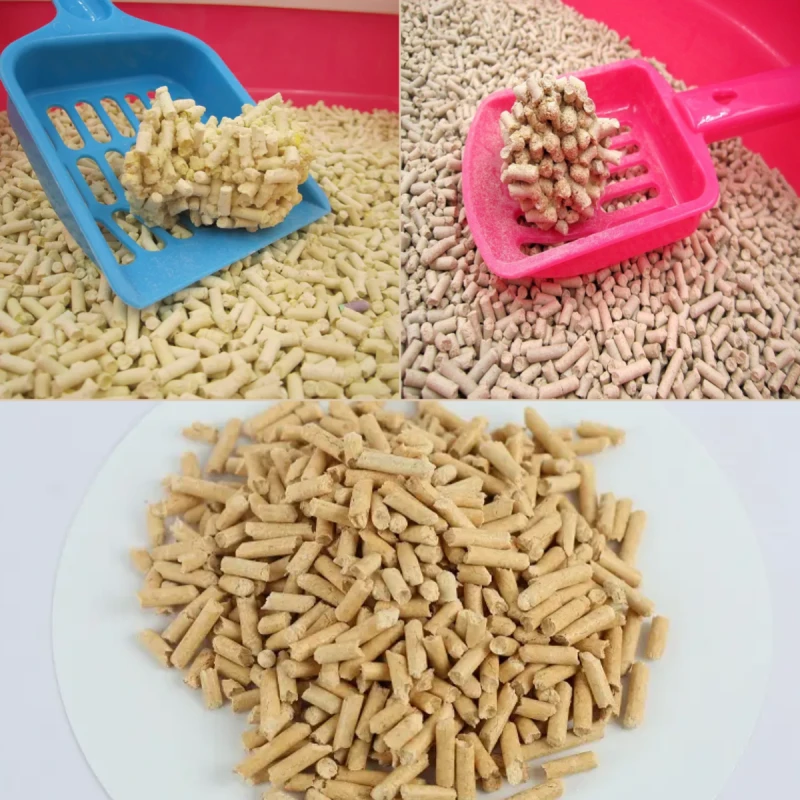
Plant-based options such as tofu and corn cat litter offer additional user benefits. They are naturally low-dust, gentle on paws, and safer for households with kittens, senior cats, or cats prone to respiratory sensitivity.
For pet owners, this means peace of mind: the litter supports health awareness without changing the cat’s daily habits or comfort level.
Why Urine and Feces Are Key Health Indicators
Veterinary research consistently shows that urine and feces provide early clues to systemic health issues. Parameters such as pH, glucose levels, blood traces, protein concentration, and frequency of elimination are closely linked to common feline diseases.
Common Health Conditions Detectable Through Litter Analysis
| Health Condition | Detectable Indicator | Typical Litter Signal |
|---|---|---|
| Urinary Tract Infection (UTI) | Elevated pH, blood traces | Color shift to blue/purple or red specks |
| Kidney Disease | Diluted urine, increased frequency | Larger clumps, lighter color |
| Diabetes | Presence of glucose | Specific color reaction |
| Dehydration | Highly concentrated urine | Darker clumps, strong odor |
| Digestive Disorders | Abnormal stool consistency | Poor clumping, irregular shape |
Studies indicate that over 60% of chronic kidney disease cases in cats show detectable urine changes months before clinical symptoms appear, highlighting the value of early detection.
Core Technologies Behind Health-Monitoring Cat Litter
1. Colorimetric Chemical Indicators
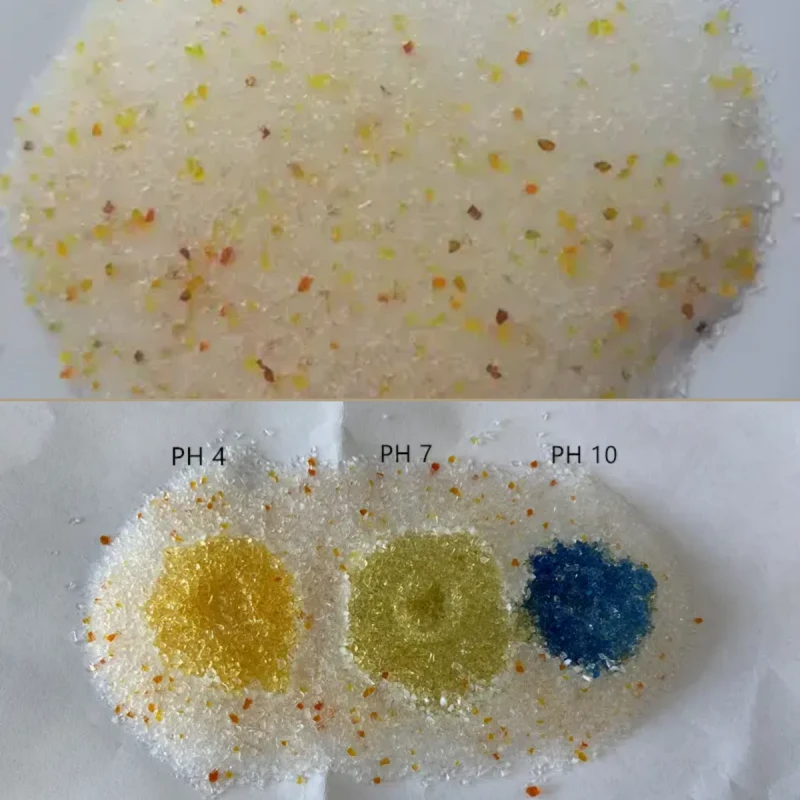
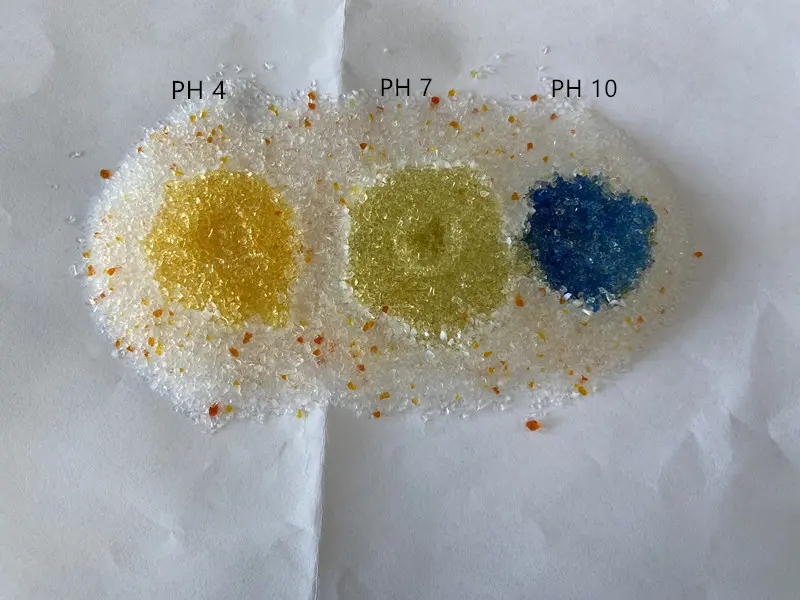
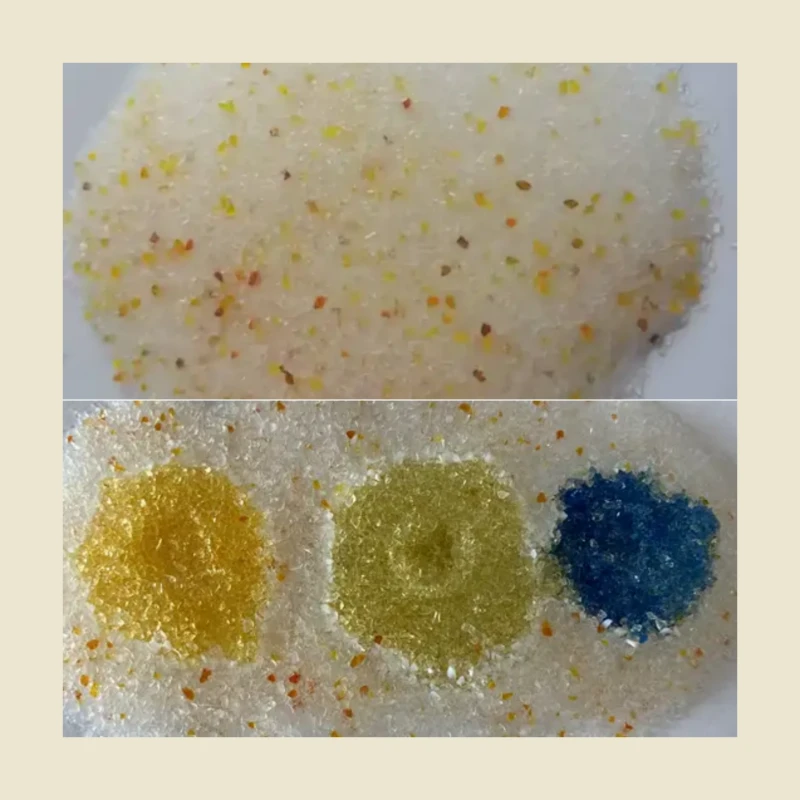
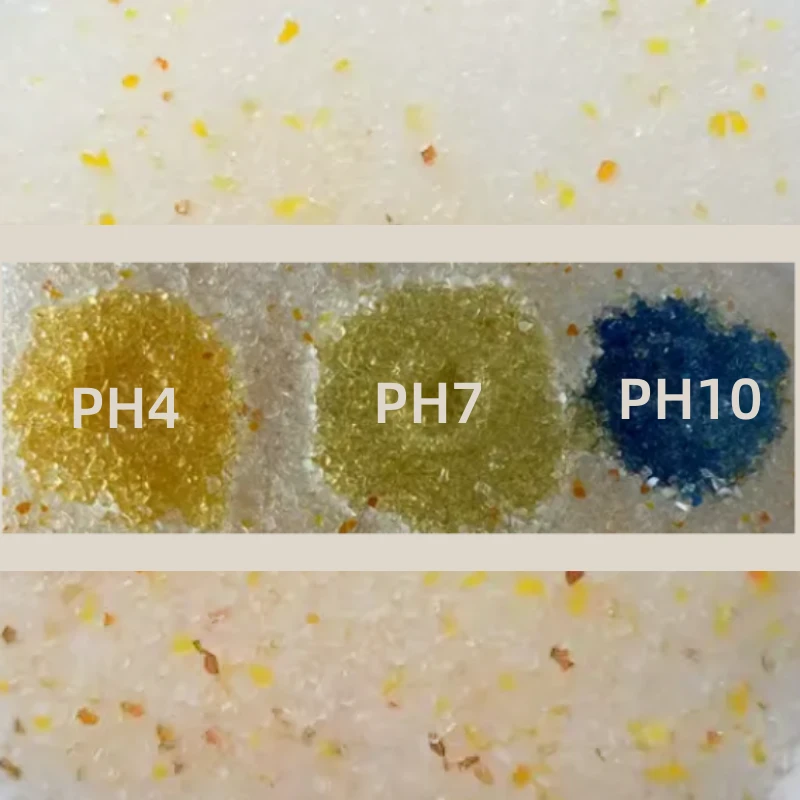
Colorimetric technology is currently the most widely used and cost-effective approach. The litter contains pH-sensitive or biomarker-reactive compounds that change color when exposed to specific substances in urine.
For example:
Normal feline urine pH ranges from 6.0–6.5
Urine pH above 7.0 may indicate infection or crystal formation
When urine contacts the litter, a visible color shift occurs within seconds, allowing owners to assess potential abnormalities.
2. Absorbent Substrate Engineering
Advanced health-monitoring litter relies on carefully engineered substrates—such as tofu fiber, corn starch, bentonite clay, or silica gel—to ensure consistent absorption and reaction accuracy.
| Material Type | Absorption Rate | Suitability for Monitoring | Environmental Impact |
|---|---|---|---|
| Bentonite Clay | High | Moderate | Low biodegradability |
| Silica Gel | Very High | High | Non-biodegradable |
| Tofu Litter | High | Very High | Fully biodegradable |
| Corn Litter | Medium–High | High | Fully biodegradable |
Plant-based litters, especially tofu and corn litter, offer cleaner reaction surfaces and more stable color indicators, making them increasingly popular for health-monitoring applications.
3. Smart Litter Box Integration
Some premium systems combine health-monitoring litter with IoT-enabled litter boxes. These systems can:
Weigh the cat
Track elimination frequency
Analyze clump size and distribution
Upload data to cloud-based dashboards
AI algorithms compare daily data against historical baselines to detect subtle trends that may signal health issues.
Scientific Data Supporting Effectiveness
Recent market and veterinary studies support the practical value of health-monitoring cat litter.
Early Detection Impact
| Metric | Traditional Observation | Health-Monitoring Litter |
|---|---|---|
| Average detection time for UTI | 7–14 days | 2–4 days |
| Detection of kidney issues | Often late-stage | Up to 6 months earlier |
| Owner compliance rate | ~40% | ~75% |
Veterinarians report that early intervention can reduce treatment costs by 30–50% for chronic urinary and kidney diseases when abnormalities are detected early.
Convenience and Time-Saving Benefits for Busy Pet Owners
Modern pet owners often juggle work, family, and social responsibilities. Health-monitoring cat litter fits seamlessly into daily life because it requires no extra steps, devices, or training.
From a user-centric standpoint, its convenience stands out:
No need to learn medical terminology
No changes to cleaning routines
No additional handling of waste
Pet owners simply clean the litter box as usual and observe any noticeable changes. Over time, patterns become easy to recognize, making health awareness effortless rather than burdensome.
The comparison below highlights why many users prefer this approach:
| Health Monitoring Method | Time Investment | User Effort | Stress Level |
|---|---|---|---|
| Observing behavior only | High | High | High |
| Routine lab testing | Medium–High | Medium | Medium |
| Health-monitoring cat litter | Very Low | Low | Low |
By integrating preventive care into an existing habit, health-monitoring cat litter saves time while empowering owners to care more proactively for their cats.
Market Trends and Consumer Demand
The global pet care market continues to grow rapidly, driven by pet humanization and rising awareness of preventive healthcare.
Global smart pet care market CAGR (2023–2030): over 17%
Percentage of cat owners concerned about urinary health: ~68%
Willingness to pay premium for health-monitoring litter: ~55%
Eco-friendly solutions are also gaining traction. Surveys show that over 60% of pet owners prefer biodegradable cat litter when performance is comparable.
Challenges and Limitations
While health-monitoring cat litter is promising, it is not a replacement for veterinary diagnosis.
Key limitations include:
Results are indicative, not diagnostic
False positives may occur due to diet changes
Multi-cat households require careful interpretation
For best results, manufacturers must balance accuracy, ease of interpretation, safety, and environmental responsibility.
Why Manufacturing Expertise Matters
The effectiveness of health-monitoring cat litter depends heavily on raw material quality, processing precision, and consistency. Poorly controlled production can lead to unreliable indicators and reduced consumer trust.
This is where experienced manufacturers with strong R&D and export capabilities play a critical role.
Why Choose Green Pet Care Co., Ltd.
Green Pet Care Co., Ltd. is a trusted professional manufacturer specializing in pet products since 2014, with a registered capital of 5 million yuan and multiple modern factories. With extensive experience in global export markets—including Europe, North America, and Southeast Asia—the company understands diverse regulatory standards and consumer preferences.
Key Advantages
Comprehensive Cat Litter Portfolio: Bentonite, silica, pine, tofu, and corn cat litter
Strong Production Capacity: Monthly cat litter sales exceed 2,000 tons, with eco-friendly tofu and corn litter reaching 500 tons per month
Environmental Innovation: Early adoption of biodegradable, plant-based litter aligned with global sustainability trends
Stable Quality & Competitive Pricing: Excellent market reputation for cost-performance balance
Custom Manufacturing: Ability to tailor formulations for health-monitoring, odor control, or regional preferences
In addition, Green Pet Care Co., Ltd.’s pet bowls and toilets achieve monthly sales of 2 million units, reflecting strong design capability, quality control, and consumer trust.
Learn more about our health-monitoring cat litter products:
2026 0.5-2mm New PH Detecting Health Monitoring Cat Litter
New Functional PH-Health Tofu Cat Litter In Peru
Conclusion
Health-monitoring cat litter represents a significant advancement in preventive pet healthcare. By combining material science, chemical indicators, and smart technology, it allows cat owners to detect potential health issues earlier, reduce veterinary costs, and improve feline quality of life.
As demand grows for accurate, eco-friendly, and affordable health-monitoring solutions, manufacturers with proven experience and scalable production capabilities will lead the market. With its broad product range, commitment to quality, and strong global presence, Green Pet Care Co., Ltd. is well positioned to be a reliable partner for brands and distributors seeking to enter or expand in the health-monitoring cat litter segment.
By choosing the right materials and the right manufacturer, the future of feline health monitoring can be cleaner, smarter, and greener. Contact Green Pet Care today!